
For some behavioral health agencies, paper records have been part of daily operations for years. Client charts fill filing cabinets, clinicians complete handwritten notes, and administrative staff rely on folders and spreadsheets to stay organized.
These systems might seem manageable at first. But as an agency grows, keeping track of paperwork becomes increasingly difficult.
Moving to an electronic health record (EHR) system isn’t just about replacing paper with a computer. It’s about making everyday work easier.
When Paper Records Start Slowing You Down
Think about how much time your staff spends handling paperwork:
- Before appointments: Clinicians search for assessments and treatment plans.
- During daily operations: Office staff track down missing documents.
- When preparing claims: Billing staff locate completed service notes.
These tasks aren’t particularly complicated, but paper records make them more time-consuming than necessary.
Even agencies using spreadsheets or electronic documents face similar challenges when information is scattered across different places.
What Changes When You Move to an EHR
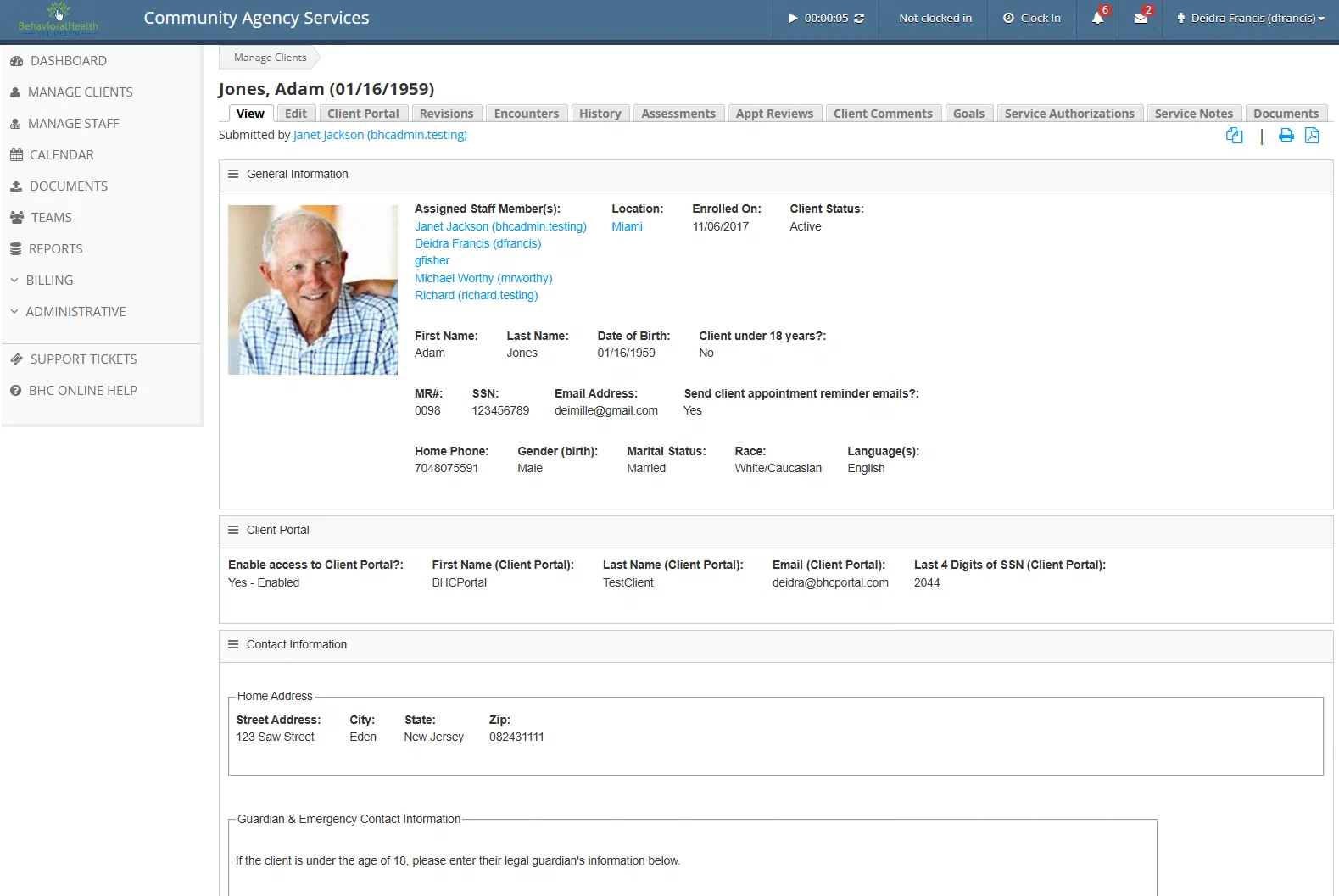
An EHR brings client information together in one organized system. Authorized staff access assessments, treatment plans, progress notes, and other records without searching through physical folders.
Clinicians complete documentation electronically, while administrative staff manage appointments and client information from the same platform.
An EHR with integrated billing also connects documented services to electronic claims and payment information, reducing the need to transfer information between separate systems.
These are some of the everyday tasks that Behavioral Health Connection brings together, from clinical documentation and scheduling to billing and reporting.
Making the Transition Doesn’t Have to Be Overwhelming
Switching from paper records to an EHR takes planning, but it doesn’t have to happen all at once.
Before making the change, consider:
- Existing records: Which documents need to be transferred?
- Staff training: How will your team learn the new system?
- Daily workflows: Will the software accommodate your forms and processes?
- Affordability: What are the initial and ongoing costs?
A practical transition might begin with new client records and current documentation, while older records are handled according to your agency’s needs and recordkeeping requirements.
BHC offers an affordable, cloud-hosted platform for behavioral health agencies of all sizes. Flexible forms and available custom development help organizations accommodate their existing workflows.
An EHR That Grows With Your Agency
Whether your agency has a handful of clinicians or operates across multiple teams and locations, your EHR should support your work today while providing room to grow.
BHC brings clinical documentation, scheduling, client engagement, electronic billing, and reporting into one scalable platform, with pricing options for different organizational needs and budgets.
If you’re comparing systems, our guide to 6 Things to Look for in Behavioral Health EHR Software covers important considerations before making a decision.
Moving away from paper records is an investment in your agency’s future, helping your team spend less time managing paperwork and more time focused on the people you serve.